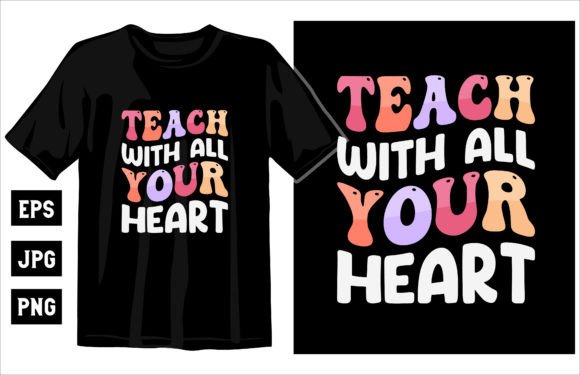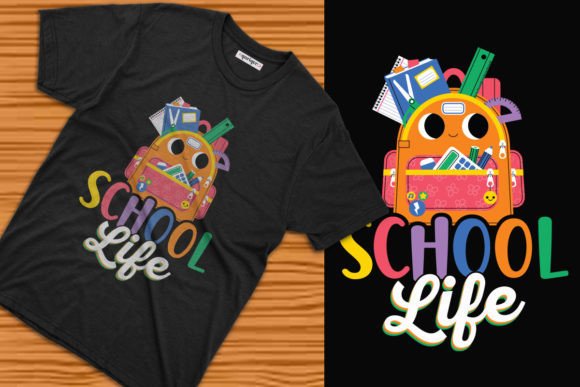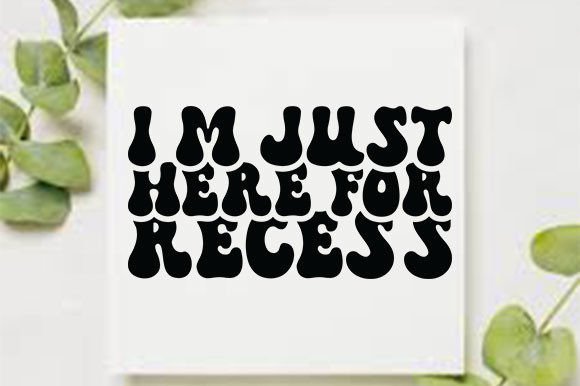
Back to School T-shirt Design, 100 Days: Practical Vector Assets for Print-on-Demand Creators
Back to School T-shirt Design, 100 Days isn’t just a seasonal motif—it’s a focused creative opportunity rooted in ritual, growth, and measurable milestones. For educators, parents, and designers alike, the “100 Days of School” celebration marks a meaningful pause in the academic year: a chance to reflect on progress, reinforce numeracy, and celebrate resilience. When translated into apparel—especially through original, vector-based t-shirt designs—it becomes both a classroom tradition and a commercially viable product line for print-on-demand (POD) businesses.
Why Original Vectors Matter More Than Ever
Stock imagery has long saturated low-cost POD marketplaces, leading to visual fatigue and shrinking margins. Buyers—especially parents and teachers seeking authentic classroom spirit—are increasingly drawn to designs that feel intentional, not algorithmically generated. That’s where unique vectors come in. Unlike raster-based stock photos or generic clipart, vector files scale infinitely without quality loss, adapt cleanly to embroidery, heat transfer, and screen printing, and allow precise color separation for professional production.
These Back to School T-shirt Design, 100 Days assets are built from scratch using clean paths, thoughtful typography, and balanced negative space—not traced or repurposed. The result? A design that stands out in search results, holds up across garment sizes, and supports brand consistency whether printed on a toddler’s onesie or an educator’s unisex tee.
How Format Flexibility Supports Real-World Workflows
The included file suite—editable EPS, high-resolution 300dpi transparent PNG, SVG, JPEG, and a realistic mockup file—isn’t just a checklist. It reflects how modern creators actually work:
- EPS gives full control in Adobe Illustrator for resizing, recoloring, or integrating with existing branding systems;
- SVG enables seamless use with Cricut, Silhouette, and other cut machines—ideal for custom vinyl decals or classroom bulletin board elements;
- Transparent PNG drops cleanly into Canva, Printful, or Gelato dashboards without background cleanup;
- Mockup file lets you visualize the design on multiple shirt styles and colors before listing—reducing returns and improving conversion rates.
This multi-format approach aligns with how small business owners and educators operate today: juggling tight timelines, limited design software access, and diverse output needs—from physical apparel to digital invitations or printable classroom rewards.
Design Intent Meets Educational Psychology
The best Back to School T-shirt Design, 100 Days concepts go beyond counting. They incorporate visual cues that support early numeracy: grouped icons (e.g., 10 rows of 10 stars), subtle number patterns, or bold typography that emphasizes “100” as both symbol and concept. Because these are vector-based—not pixel-perfect photos—they retain clarity even when simplified for toddler-sized garments or enlarged for banner displays.
For example, a “100-Day Typography T-Shirt” might layer the numeral “100” with hand-drawn chalk textures and childlike letterforms—but rendered in vector so every curve remains crisp at any size. That balance of playfulness and precision is hard to replicate with stock assets, yet essential for resonating with both kids and the adults who buy for them.
Where This Fits in Today’s Creative Economy
Print-on-demand is no longer just about dropshipping t-shirts. It’s evolved into a hybrid practice blending design literacy, platform fluency, and audience insight. Platforms like Etsy, Redbubble, and Amazon Merch reward sellers who offer cohesive collections—not single items. A strong Back to School T-shirt Design, 100 Days asset can anchor a broader seasonal series: first-day tees, “I Survived 100 Days” variants, matching parent-child sets, or bilingual versions for dual-language classrooms.
What’s changed isn’t demand—it’s expectation. Buyers now scan listings for production-ready files, clear usage rights, and versatility. They notice when a design looks like it was made *for* teachers versus *about* them. That nuance separates scalable micro-businesses from one-off listings buried in search results.
Real Use Cases Beyond Apparel
Because these files are truly multipurpose, their utility extends well beyond t-shirts:
- Vinyl decals for classroom windows or student laptops—SVG ensures sharp edges on curved surfaces;
- Invitations and cards for 100-day celebrations—use the EPS to adjust layout in Affinity Publisher or InDesign;
- Scrapbooking elements or printable reward charts—PNG transparency allows easy layering over photos or textured backgrounds;
- Digital lesson materials—import SVG into Google Slides or PowerPoint to animate counting sequences or build interactive math prompts.
This cross-medium flexibility reduces overhead: one purchase supports multiple revenue streams without additional licensing fees or redesign costs.
Practical Tips for Getting Started
If you’re building a POD catalog around school themes, start small but think modular. Instead of launching ten unrelated designs, begin with one strong Back to School T-shirt Design, 100 Days concept—and then create three intentional variations: a minimal black-and-white version for older students, a playful color-blocked variant for kindergarteners, and a bilingual “100 Días / 100 Days” edition for inclusive classrooms.
Test each version across two platforms: one with strong visual discovery (like Etsy) and one with high-volume traffic (like Amazon Merch). Track which file formats buyers download most—this tells you where your audience spends time and what tools they use. If SVG downloads spike, consider adding cut-file bundles to future releases.
Also, avoid over-designing for novelty alone. A clean, legible “100” with thoughtful spacing and balanced weight performs better than overly complex illustrations—especially on youth apparel, where fabric texture and print method affect final clarity.
Looking Ahead Without Overpromising
There’s no indication that milestone-based school traditions like the 100th day will fade. If anything, they’re gaining renewed relevance amid growing emphasis on social-emotional learning and visible progress markers. What’s shifting is how those traditions translate into tangible products—and how much value users place on authenticity, adaptability, and ownership.
That means vector-based, non-stock Back to School T-shirt Design, 100 Days assets aren’t just convenient—they’re a strategic response to real constraints: tighter budgets, shorter production windows, and higher expectations for visual cohesion across touchpoints.
For educators designing classroom swag, freelancers building niche portfolios, or entrepreneurs testing seasonal POD lines, this isn’t about chasing trends. It’s about choosing tools that scale with your workflow—not against it.