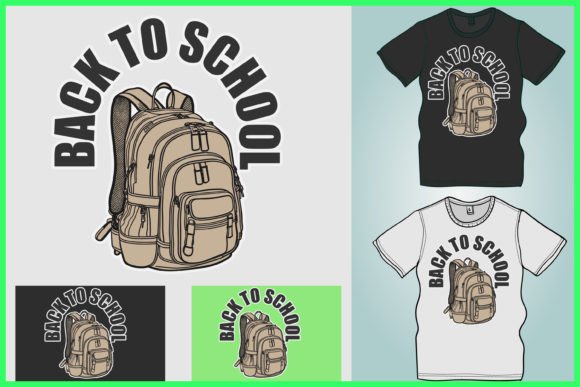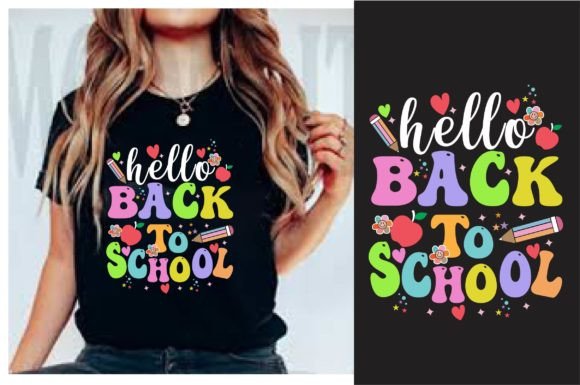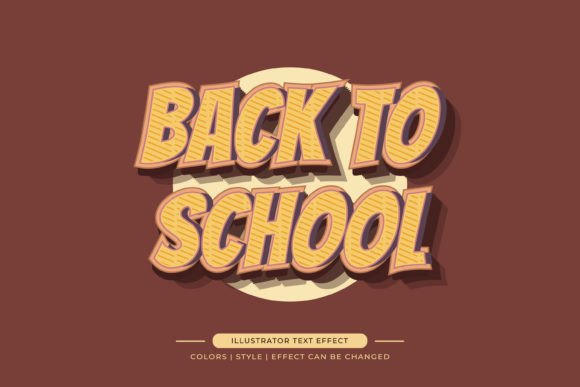
Back to School Text in Vintage Style
There’s a quiet power in nostalgia—especially when it’s applied with intention. Back to School Text in Vintage Style taps into that resonance: not as a fleeting trend, but as a thoughtful design tool built for clarity, warmth, and authenticity. It’s not a downloadable font file. It’s a fully editable text effect design—crafted to evoke chalkboards, weathered paper, ink-stamped announcements, and early-20th-century classroom signage. And because it’s delivered as layered, vector-based artwork, you’re never locked into one typeface, size, or layout.
What Makes This Design Stand Out
This isn’t just “old-looking text.” It’s a precision-crafted visual framework. Each word is built as independent, grouped vector elements—so every letter, shadow, texture, and stroke remains crisp at any scale. The included EPS file preserves full editability in Adobe Illustrator, Affinity Designer, or CorelDRAW. The JPG preview gives immediate context—but the real value lives in the vectors.
You control everything: swap fonts freely (serif, sans, script, handwritten), adjust tracking and leading, resize without pixelation, recolor individual layers, or even isolate and reposition drop shadows or grain overlays. No raster flattening. No destructive effects. Just clean, professional-grade flexibility.
Why Educators, Marketers, and Creators Reach for This
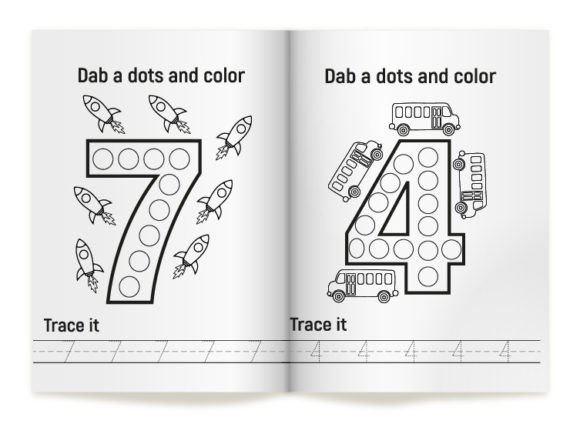
Think beyond bulletin boards and flyers. A vintage-inspired back-to-school message works because it signals care, continuity, and human-centered learning—not corporate automation. Teachers use it for welcome banners that feel personal, not templated. Homeschooling parents adapt it for weekly planners or milestone certificates. Small publishers embed it into illustrated children’s activity books to reinforce thematic cohesion.
For marketers, it adds subtle distinction in crowded digital spaces. An email header using Back to School Text in Vintage Style stands out in an inbox saturated with sleek, minimalist fonts—without sacrificing readability. Bloggers layer it over photo backgrounds for Instagram carousels or Pinterest pins. Freelance designers license it for client projects where brand voice leans warm, established, or community-oriented—think local tutoring centers, indie bookshops, or Montessori co-ops.
Real Use Cases That Go Beyond Decoration
- Print-ready classroom materials: Edit the text to say “Welcome, Grade 3!” or “Science Lab Rules” — then export at 300 DPI for crisp laminated posters.
- Digital course launches: Drop the design into Canva or Figma, replace placeholder text with your course title, and keep consistent tone across landing pages, email headers, and social banners.
- Branded merchandise: Scale seamlessly onto tote bags, mugs, or vinyl stickers—no worrying about font licensing, since you supply your own typeface.
- Educational newsletters: Pair with clean body copy to create visual hierarchy—vintage treatment only on headlines, letting content breathe.
Practical Notes Before You Edit
Because this is a text *effect*, not a font, your editing workflow changes slightly. You’ll need vector-editing software—not just Word or Google Docs. If you’re new to Illustrator, start by ungrouping the text layer (right-click → Ungroup), then select individual letters or words to modify. Want Garamond instead of Playfair? Paste your preferred font into the Character panel—no reinstalling required.
Also worth noting: the vintage aesthetic relies on intentional imperfection—subtle texture overlays, slight misalignments, soft shadows. Don’t over-smooth it. Those details are what communicate authenticity. If you remove all grain or sharpen edges too aggressively, you lose the warmth that makes this style effective.
How It Fits Into Broader Design Strategy
Good design solves problems—not just decorates them. In education and small business, trust is earned through consistency and sincerity. A generic sans-serif headline says “efficient.” A thoughtfully executed Back to School Text in Vintage Style says “I know who you are, and I made space for you.” That nuance matters when parents choose schools, students pick study resources, or customers decide which local business feels like home.
It also saves time without sacrificing quality. Instead of building custom lettering from scratch—or wrestling with unreliable free fonts that lack proper licensing—you get production-ready assets with clear usage rights. No attribution needed. No hidden fees. Just 100 editable words, ready to serve your voice, not someone else’s template.
When to Choose This Over Other Options
If your goal is speed + personality + professionalism, this design delivers. Compare it to free “vintage school fonts” online: many lack OpenType features, have inconsistent spacing, or come with restrictive licenses for commercial use. Others are raster-only—blurry when enlarged. This version avoids those pitfalls entirely.
It’s also more versatile than pre-made PNG overlays. Since each element stays editable, you can extract just the shadow effect for another project—or repurpose the texture layer as a background for non-school-related work (think “Farmers Market,” “Book Club Night,” or “Community Garden”). The design logic transfers.
A Final Thought for Intentional Designers
Vintage doesn’t mean outdated—and “back to school” doesn’t only apply to August. This resource supports transitions: new semesters, skill-building workshops, onboarding sequences, or even internal team refreshers. Its strength lies in adaptability grounded in craft—not gimmickry.
So whether you’re designing a welcome packet for first-time kindergarteners, launching a teacher-training webinar series, or creating branded stationery for your tutoring studio—Back to School Text in Vintage Style gives you a reliable, expressive foundation. One you own, shape, and extend—without limits on font, size, color, or context.